
Why Roofing Contractors Prefer Aerial Roof Measurement Reports
Roofing contractors deal with tight schedules, multiple site visits, and the constant pressure to deliver accurate estimates quickly.
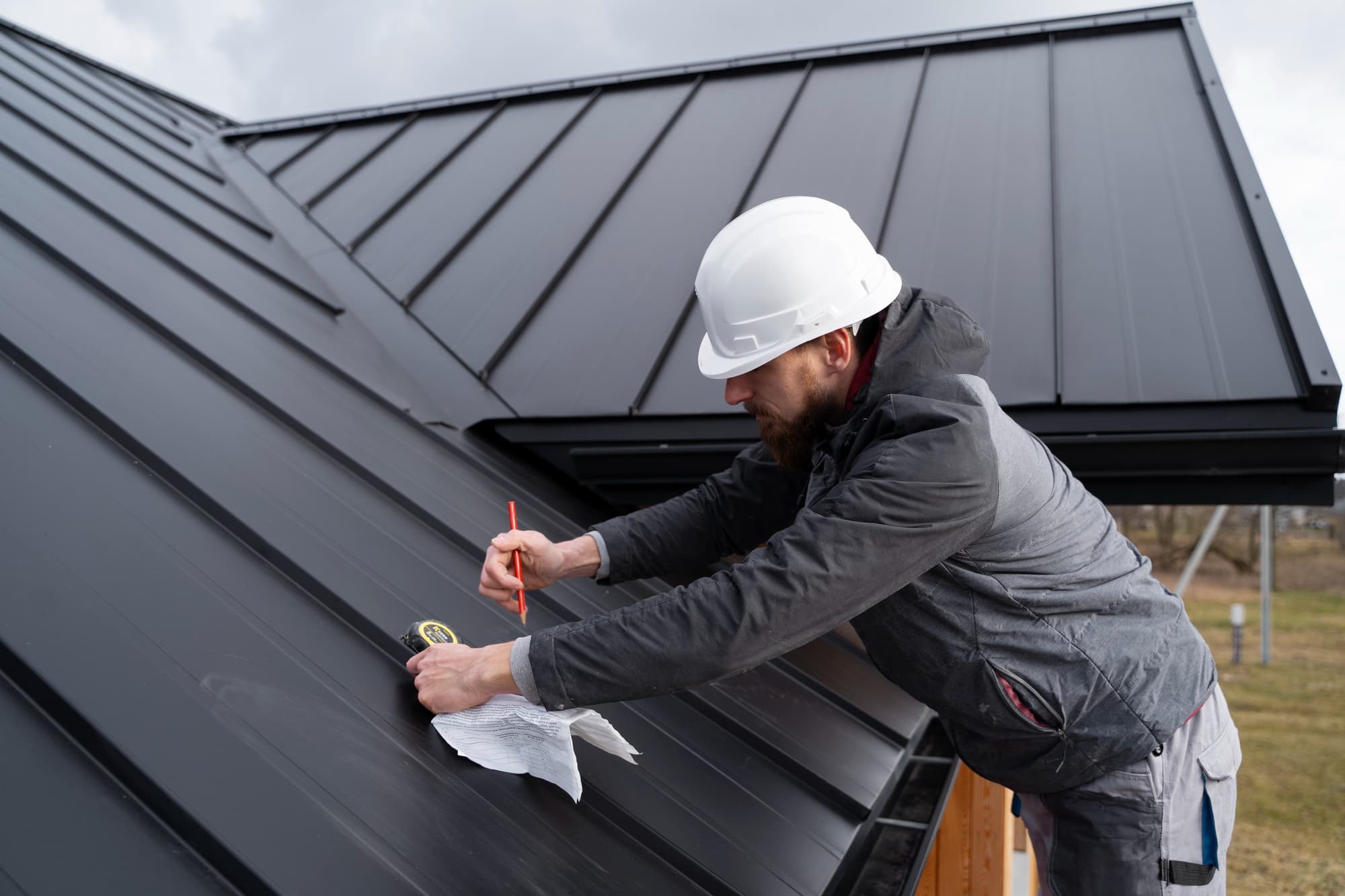
One task that often slows everything down is manual roof measurement - climbing roofs, measuring edges, checking slopes, and redrawing layouts later.
Over time, many contractors have shifted to aerial roof measurement reports as a more efficient way to gather roof data.
These reports provide roof measurements based on aerial imagery and are delivered in ready-to-use formats such as ESX and XML.
This article explains why roofing contractors increasingly prefer aerial roof measurement reports, and how these reports support faster, safer, and more consistent estimating.
The Challenges of Manual Roof Measuring
Manual roof measuring has been the traditional approach for years, but it comes with limitations.
Time-consuming site work
Measuring a roof manually often requires:
· Ladder setup
· Physical access to the roof
· Measuring each section
· Re-checking calculations
For complex roofs, this can take 45 minutes or more per property.
Safety concerns
Contractors regularly face:
· Steep slopes
· Slippery surfaces
· Weather-related risks
· Roof damage after storms
Reducing time spent on roofs lowers exposure to risk.
Rework and inconsistencies
Manual measurements can lead to:
· Small errors
· Missed sections
· Inconsistent sketches
These issues may require revisits or estimate revisions.
Delays in estimate preparation
If measurements take too long, estimates get delayed - which can affect:
· Client response time
· Project approvals
· Job scheduling
What Are Aerial Roof Measurement Reports?
Aerial roof measurement reports use aerial imagery to calculate roof dimensions digitally.
Instead of measuring the roof in person, the contractor submits the property address and receives a report that includes:
· Roof layout
· Measurement details
· Clearly identified roof sections
These reports are delivered in formats that match different workflows:
· ESX for estimating workflows
· XML for structured data use
Why Contractors Prefer Aerial Roof Measurement Reports
1. Saves Time on Every Project
One of the biggest reasons contractors choose aerial reports is time savings.
With a roof report:
· No need to measure manually
· No sketching from scratch
· No extra site visits for measurements
Contractors can move directly to estimate preparation.
2. Reduces Time Spent on Roofs
Aerial reports reduce the need to physically access the roof for measuring.
This helps contractors:
· Spend less time climbing
· Reduce physical strain
· Avoid unnecessary exposure to unsafe conditions
3. Faster Estimate Turnaround
Faster measurements mean faster estimates.
With roof reports delivered within 4 hours, contractors can:
· Respond to inquiries quickly
· Submit proposals sooner
· Keep projects moving without delay
How Contractors Use Different Roof Report Formats
Used for:
· Preparing estimates
· Avoiding manual roof sketching
· Working inside estimating workflows
Best when speed and estimating efficiency matter.
Used for:
· Structured data needs
· Internal record keeping
· Data-based workflows
Best when organized measurement data is required.
When Aerial Roof Reports Are Most Useful for Contractors
Aerial roof measurement reports are especially helpful when:
· Roofs are steep or complex
· Time is limited
· Multiple estimates are being prepared
· Weather conditions make roof access difficult
· Accurate measurements are needed quickly
They support contractors in staying productive without unnecessary delays.
Common Contractor Concerns About Aerial Roof Reports
Concern: Are aerial measurements reliable?
Aerial roof reports are based on imagery and measurement tools designed for roof analysis. They provide consistent roof data without manual measuring.
Concern: Do roof reports replace site inspection?
No. Contractors still inspect the roof for damage and installation planning. Roof reports replace manual measuring, not inspection.
Concern: Are reports easy to use?
Yes. ESX and XML formats are designed to fit common contractor workflows.
How Aerial Roof Reports Improve Daily Workflow
Using aerial roof measurement reports helps contractors:
· Reduce time per estimate
· Handle more projects efficiently
· Keep estimates consistent
· Avoid measurement-related delays
Over time, this leads to smoother operations and better project planning.
Final Thoughts
Roofing contractors prefer aerial roof measurement reports because they simplify a critical part of the job.
By eliminating manual measuring and providing ready-to-use roof data, these reports help contractors:
· Save time
· Improve safety
· Deliver estimates faster
· Work more efficiently
For contractors handling multiple projects, aerial roof measurement reports become an essential tool rather than an optional extra.
Order an Aerial Roof Measurement Report
If you want to reduce time spent measuring roofs and speed up estimate preparation, aerial roof measurement reports can help.
Submit a property address, choose your preferred format, and receive your roof report within 4 hours.
Ready to Get Started?
Order your aerial roof measurement report in just a few clicks
